Why I Felt Healthier Drinking Beer in Europe Than Living in Dallas
Jan 07, 2026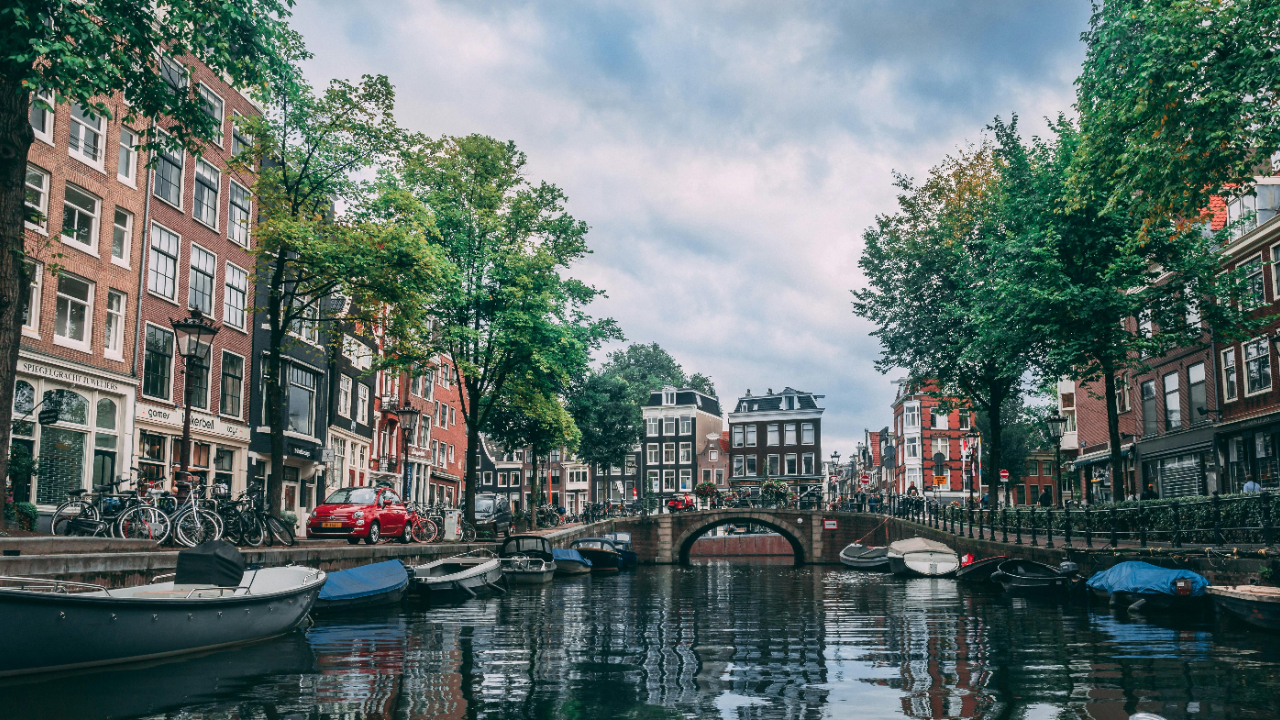
A Chef’s Perspective on Exercise, Culture, and Pollution
The Strange Case of Feeling Better on Fried Food and Beer
I was in Amsterdam and Haarlem not long ago, walking ten miles a day, eating krokets and fries, drinking local beer and the occasional jenever. I was sleeping less than at home, eating fewer vegetables (a lot fewer — I usually cook vegan), and yet I felt… better.
Lighter. Clearer. My body didn’t ache the way it does in Dallas. My head didn’t feel stuffed with fog. Even the mornings after drinking were surprisingly gentle.
This isn’t just “vacation magic.” As a chef who pays attention to food systems, I know my body well enough to spot when something real is happening.
Walking: Exercise Disguised as Daily Life
In Amsterdam, exercise wasn’t a workout — it was transportation. Ten miles of steady movement every day just by existing in the city. Research shows that regular aerobic activity lowers inflammatory markers like C-reactive protein and IL-6 (Zheng et al., 2019). Inflammation is the silent tax our bodies pay to modern life — and mine dropped while I was abroad.
In Dallas, I have to plan exercise. I get in the car to drive to the gym, to walk on a treadmill, just to break even. In the Netherlands, I walked because I had to — and my immune system thanked me.
Pollution: The Stress You Can’t See, But Always Feel
Dallas is a city wrapped in concrete, highways, and smog. We measure air quality in “ozone alert days” and act surprised when people are tired, irritable, or sick more often. Studies link long-term exposure to fine particulate matter and nitrogen dioxide with higher systemic inflammation (Hajat et al., 2015).
Amsterdam and Haarlem aren’t utopias, but they regulate cars harder, and the neighborhoods I stayed in were quieter, cleaner, less choked by traffic. My lungs — and by extension, the rest of my body — finally got a break.
Culture: Slow Meals, Shared Tables
Yes, I ate more fried food. But I ate it differently. Sitting down. With friends. Slowly. Not hunched over a steering wheel or wolfing it down in a rush. Communal meals are linked with better psychosocial health and improved digestion (Middleton et al., 2022).
Fried potatoes in a paper cone can do less damage to your gut when your nervous system is in “rest and digest” mode. The same meal in Dallas, in the car with honking horns and exhaust outside the window, feels heavier. My stomach knows the difference, even if the nutrition label doesn’t.
Alcohol: Quality and Context
I drank — and felt fine. Local beers, made with fewer additives, and jenever, sipped slowly, never slammed. Research shows congeners and beverage composition change next-day outcomes (Rohsenow et al., 2009). Add in food, pacing, and hydration, and alcohol becomes less of a wrecking ball.
Compare that to the U.S., where drinking often means bingeing, solo, or as stress relief after a crushing day. No wonder the same beverage feels worse here.
MAHA, RFK, and the Great Distraction
Here’s where I get angry. MAHA (Make America Healthy Again) campaigns love to point fingers at individuals: eat “better,” make “choices,” switch the oil in your fryer. RFK Jr. rants about vaccines, chemicals, conspiracies. Both distract from what the science actually says: the real levers of health are systemic.
- Walkable cities that make exercise inevitable.
- Clean air that doesn’t silently inflame us.
- Food environments that don’t drown us in oversized, ultra-processed options.
- Cultures of eating that lower stress instead of piling it on.
That’s why I felt healthier in Amsterdam than Dallas. Not because Dutch beer has magic properties. Because their systems — imperfect as they are — reduce baseline stress on the body, while ours pile it on.
Bottom Line
I came home to Dallas and felt heavier again, even while eating more vegetables, sleeping longer, and exercising at the gym. The difference wasn’t me — it was the air I breathed, the way I moved, and the way I ate.
MAHA and RFK don’t want to talk about that, because you can’t bottle it, you can’t sell it, and you can’t turn it into a political brand. But if we’re serious about health, that’s where the change has to happen.
Something to Chew On
Here’s the thing: the world loves to sell you blame. Eat differently, move more, buy this supplement, vote for this slogan. Meanwhile, the things that actually make life easier—walkable streets, clean air, time to sit and eat without stress—get ignored. Not sexy, not Instagrammable, not a headline.
Some people insist climate change is a hoax. Others wring their hands over it while we keep patching symptoms instead of fixing systems. Health works the same way. MAHA campaigns, influencer gurus, and conspiracy rants tell you it’s all about personal choices, but ignore the structures shaping those choices. Oversized, ultra-processed meals stacked in every corner? Traffic that forces you into a car instead of a walk? Air that slowly inflames your lungs while you scroll on your phone? That’s the reality that no hashtag can fix.
Chasing trends or thinking you’re smarter than the crowd doesn’t make you healthier. Real results come from noticing context: moving because your city is designed for it, eating meals without stress, breathing air that doesn’t feel like syrup. That’s the kind of infrastructure your body actually responds to.
So, before you grab another “miracle fix” or scroll past the next shiny solution, ask yourself: are you buying hype, or are you listening to the signals that actually matter? Systems, not slogans, determine how we feel. And yes, sometimes the right beer in the right city will show you the difference better than any health campaign ever could.
References
- Zheng G, et al. Effect of Aerobic Exercise on Inflammatory Markers in Middle-Aged and Older Adults: A Meta-analysis. Front Aging Neurosci. 2019.
- Hajat A, et al. Long-term Exposure to Air Pollution and Markers of Inflammation, Coagulation and Endothelial Activation. Environ Health Perspect. 2015.
- Middleton G, et al. The Health and Well-being Impacts of Community Shared Meals: A Systematic Review. Public Health Nutr. 2022.
- Rohsenow DJ, et al. Intoxication with Bourbon vs Vodka: Effects on Next-day Neurocognitive Performance and Hangover. Alcohol Clin Exp Res. 2009.
Get the latest blogs sent to your email.
We hate SPAM. We will never sell your information, for any reason.